Ants
In Bayside and Little Neck, detached and semi-detached homes, garden apartments, garages, and finished basements give pavement ants and other small species plenty of seams to test for food and water. Alley Pond Park, mature yards, and the wooded edges of Douglaston and Little Neck keep soil, roots, and mulch close to buildings, so indoor trails often appear after warm rain or when a colony is disturbed outside. Follow the trail to its entry point, clean away the food or moisture attracting it, and seal cracks after the colony is controlled; spraying the workers you can see usually misses the nest.
Flies
In Bayside and Little Neck, flies can follow the daily rhythm of Bell Boulevard and Northern Boulevard's restaurants, markets, and deliveries: deliveries come in, food and packaging move through, and refuse waits for collection. Little Neck Bay, Udalls Cove, and damp shoreline soils can add moisture, but indoor species usually point to a drain, garbage area, produce storage space, or hidden organic source within detached and semi-detached homes, garden apartments, garages, and finished basements. Good control means cleaning beyond the visible surface, correcting drainage, keeping containers closed, and using screens or air curtains where doors must stay active.
Birds
Bird pressure in Bayside and Little Neck follows architecture and food: detached and semi-detached homes, garden apartments, garages, and finished basements provide ledges and sheltered voids, while Bell Boulevard and Northern Boulevard's restaurants, markets, and deliveries can leave crumbs or refuse within easy reach. Alley Pond Park, mature yards, and the wooded edges of Douglaston and Little Neck and Little Neck Bay, Udalls Cove, and damp shoreline soils add resting and feeding habitat, so pigeons, sparrows, starlings, or gulls may return to the same roofline every day. Humane control starts by removing food, repairing openings, and fitting netting, screening, or ledge barriers correctly; loose spikes or blocked-in birds create a worse problem.
Roaches
The mix of detached and semi-detached homes, garden apartments, garages, and finished basements in Bayside and Little Neck can produce two different roach patterns: small German roaches near food and heat, and larger outdoor or sewer species in damp lower levels. Bell Boulevard and Northern Boulevard's restaurants, markets, and deliveries adds commercial kitchens and deliveries, but a complaint still requires a property-level inspection rather than assumptions about the surrounding community. Baits, sanitation, moisture repair, and pipe-gap sealing work together; foggers and routine baseboard spraying often miss the harborages.
Bed Bugs
In Bayside and Little Neck, the Long Island Rail Road, school travel, and regular household moves create many chances for bed bugs to hitchhike on luggage, clothing, furniture, or bags. They can occur in any income group, and detached and semi-detached homes, garden apartments, garages, and finished basements make cooperation among residents, owners, and building staff especially important. Look for dark spotting, cast skins, eggs, or live insects near where people sleep, and do not use foggers, which can drive bugs deeper into a building without solving the infestation.
Termites
Termite risk in Bayside and Little Neck depends far more on the structure than on the neighborhood label. Wood framing, decks, fences, crawl spaces, and soil touching older foundations are the places to watch, particularly where chronic moisture, poor drainage, or soil-to-wood contact exists near Little Neck Bay, Udalls Cove, and damp shoreline soils. Inspect for mud tubes, hollow or blistered wood, and swarming insects around spring, but do not confuse flying ants with termites; a licensed inspection should confirm active damage and map the affected construction before treatment.
Bees & Wasps
In Bayside and Little Neck, the same Alley Pond Park, mature yards, and the wooded edges of Douglaston and Little Neck that cool the neighborhood also support pollinators from spring into fall. Yellowjackets and paper wasps become a property issue when they use sheltered cavities in detached and semi-detached homes, garden apartments, garages, and finished basements or forage around uncovered drinks and food waste near Bell Boulevard and Northern Boulevard's restaurants, markets, and deliveries. Keep outdoor food covered, inspect eaves and railings early in the season, and use professional help for a nest near doors, play areas, or anyone with a sting allergy.
Fleas & Ticks
In Bayside and Little Neck, pet activity and wildlife moving through Alley Pond Park, mature yards, and the wooded edges of Douglaston and Little Neck can bring fleas close to homes, and brushy park edges may support ticks during warm months. Detached and semi-detached homes, garden apartments, garages, and finished basements can shelter flea eggs and larvae in rugs, floor gaps, basements, or places where an animal rests, even after the adult fleas seem to disappear. Coordinate veterinary care with indoor cleaning and targeted treatment, and use tick checks and repellents after time in wooded or grassy areas.
Rats & Mice
In Bayside and Little Neck, Bell Boulevard and Northern Boulevard's restaurants, markets, and deliveries keep goods and refuse moving through streets that also contain detached and semi-detached homes, garden apartments, garages, and finished basements. Mice need only a very small opening, and rats can travel along sewers, rail edges, planted areas, or the damp routes around Little Neck Bay, Udalls Cove, and damp shoreline soils. Look for droppings, rub marks, gnawing, burrows, and travel gaps, then combine exclusion with disciplined waste storage and monitored traps; poison alone leaves the entry route and food supply untouched.
Moths & Beetles
Moths and beetles in Bayside and Little Neck are usually pantry or fabric pests, not a single neighborhood-wide infestation. The many household food traditions supported by Bell Boulevard and Northern Boulevard's restaurants, markets, and deliveries mean cupboards may hold grains, spices, nuts, pet food, or dried goods for long periods, while closets in detached and semi-detached homes, garden apartments, garages, and finished basements may contain wool rugs and natural-fiber clothing. Find the infested package or textile, inspect nearby items, vacuum cracks, and store cleaned goods in tight containers; spraying shelves around food is neither necessary nor useful.
Pest Control in Douglaston/Bayside
Located in the northeastern side of Queens, Bayside is one of the most expensive areas in the borough (according to a recent survey by CNN Money). Its location along the North Shore makes it very desirable. Bayside's boundaries include on the west Francis Lewis Boulevard and on the east 233rd Street. Grand Central Parkway is the stopping point on the south and Cross Island Parkway/Little Neck Bay lies to the north.
Pest Facts about Douglaston/Bayside
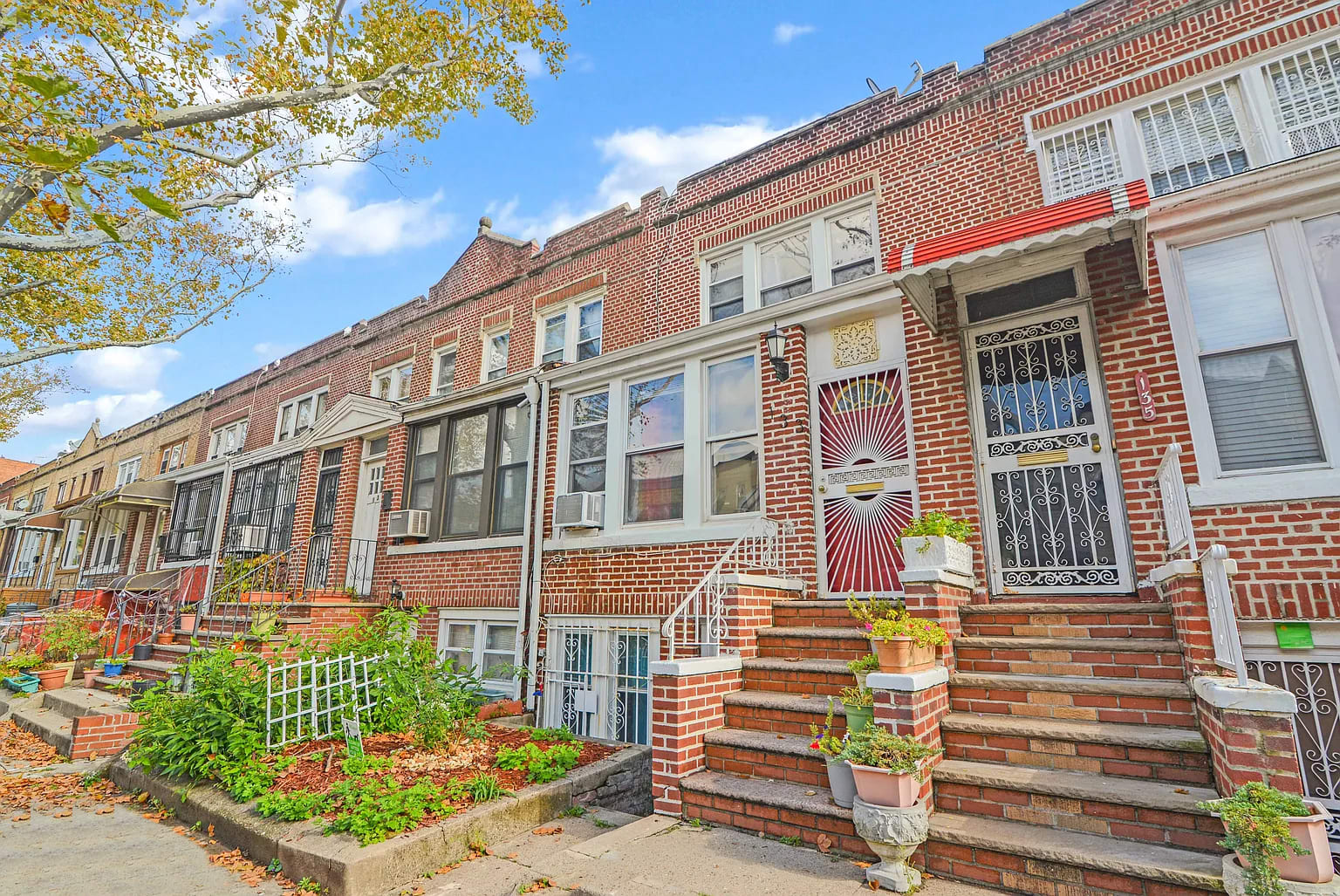
Pest problems are relatively few in Bayside. In fact, Bayside has the lowest incidence of pests in all of New York City. Rodents are a problem in only about 3.2% of the homes, making Bayside 10 percentage points under the average for Queens and 25 points under the average for the city. Cockroaches are found in less than 10% of all households and bedbugs are virtually nonexistent. Homes and other structures in the area are rated good to excellent by 95% of the residents.
The #1 Exterminator for Douglaston/Bayside
Ecology Exterminating can ably solve any and all of your pest problems, including rodents, roaches and bedbugs. We employ certified, skilled technicians who provide knowledgeable and friendly service. Ecology Exterminating, which has been working for more than three decades for those in the Bayside area, accepts all major credit cards. Contact us today to start solving your pest related problems. We assure you that you will be totally satisfied with our professional service, methods and results.
